Bedding · Fit & fabric
Choosing Linens for Adjustable Beds: Fit, Flexibility, and Fabric
An adjustable bed is designed to move. Its linens should move with it—without tugging at the corners, bunching beneath the body, or interrupting the calm of a carefully made bed. The best choice begins with precise measurements, continues with thoughtful fitted-sheet construction, and ends with a fabric that feels right through every change of position.
A bed that changes shape asks more of its sheets
An adjustable bed can raise the head, lift the legs, or articulate both sections at once. The mattress bends as the base moves, changing the angles and tension across its surface. A sheet that sits neatly on a flat mattress may therefore pull at the corners, creep upward, or gather in folds when the bed is raised.
That doesn’t mean adjustable beds require a special fabric or a complicated bedding system. It does mean that fit has to be considered as a practical feature, not merely a finishing touch. The mattress, its depth, any topper, the fitted sheet’s elastic and the fabric’s behavior all contribute to how well the bed stays composed in motion.
Think of the sheet as part of the bed’s working architecture. It should have enough room to cover the mattress and enough grip to remain in place, while avoiding so much excess that fabric pools beneath the sleeper. The aim is not a rigid, stretched surface. It is a smooth, comfortable layer that can accommodate movement without making itself conspicuous.
Measure the whole sleep surface
Begin with the mattress itself. Check its width and length, then measure its depth from the bottom edge to the top surface. If you use a mattress topper, measure again with the topper in place. Even a relatively slim layer changes the total height a fitted sheet must cover, and a protector or other mattress layer can add further thickness.
Use the measurements of your actual sleep setup rather than relying only on a familiar label such as queen or king. Standard size names are useful, but mattress dimensions and construction can vary. A mattress with a pillow top, a substantial topper, or a pronounced edge may call for a deeper pocket than a flatter mattress in the same nominal size.
Depth is especially easy to overlook. A fitted sheet that barely reaches beneath the mattress edge may appear secure when the bed is flat but lose its hold as the mattress articulates. Conversely, an overly deep pocket can leave spare fabric underneath, creating folds that shift when the head or foot is raised. Look for the sheet’s stated pocket depth and compare it with the full height of the mattress and any layers on top.
It can help to write down three measurements before shopping:
- Mattress dimensions: width, length and depth.
- Finished height: mattress depth plus topper, protector or other layers.
- Bed configuration: whether the mattress is split or used as one continuous surface.
If the bed uses separate mattresses, confirm how each side is sized and whether you need individual fitted sheets. A split configuration can have different requirements from a single mattress, particularly around the centre seam. When in doubt, consult the mattress or adjustable-base manufacturer’s specifications before choosing linens.
Fitted-sheet construction: the quiet engineering
The defining detail of a fitted sheet is not only its pocket depth but also the way it grips the mattress. Elastic around the entire perimeter can help maintain a consistent hold, distributing tension along the edges rather than concentrating it at a few points. This can be useful when a mattress changes angle, although the result still depends on the sheet’s dimensions and the mattress’s shape.
Other designs use elastic only at the corners or rely on a particular pocket construction. Neither approach is automatically right for every adjustable bed. What matters is a secure fit that remains comfortable as the mattress moves. Check how the elastic is described, examine the pocket-depth guidance and follow any fit recommendations from the bed or sheet maker.
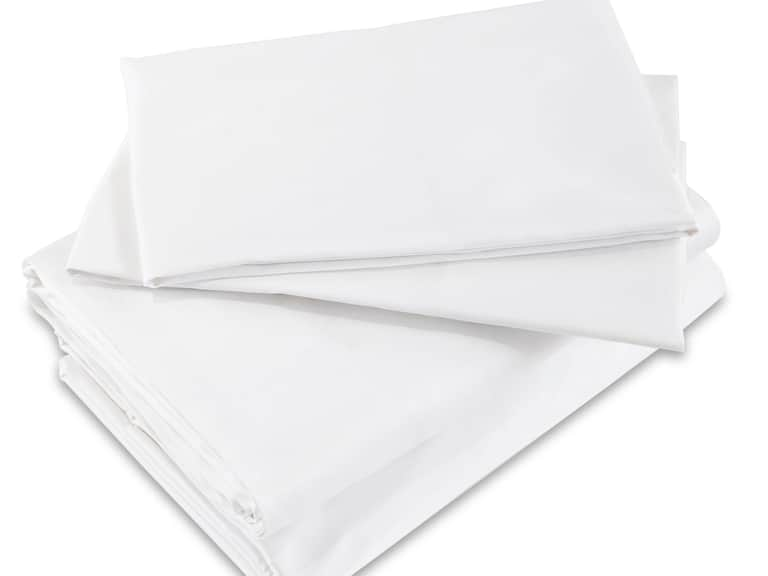
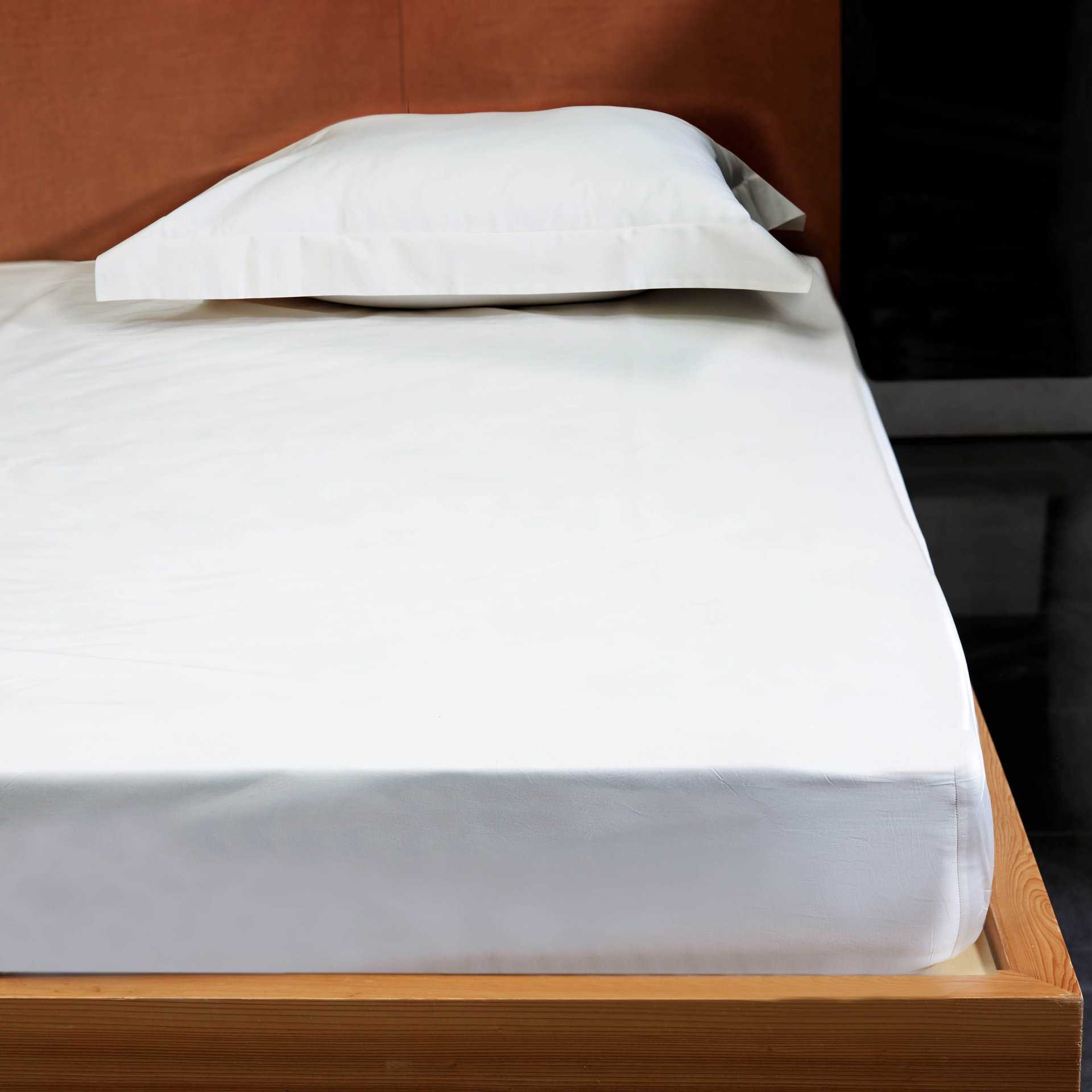
For a sense of the construction to look for, the Tuscan Dreams Fitted Sheet is made from long-staple cotton percale and has elastic all around. That perimeter construction is a relevant feature when assessing fitted sheets for an adjustable setup; it is not, by itself, a guarantee of compatibility. Confirm the sheet’s dimensions and pocket depth against your own mattress, including any topper, before deciding whether the fit is suitable.
A well-fitted sheet should reach beneath the mattress without being forced into place. Once installed, check that the corners sit fully in position and that the fabric lies evenly across the top. If the elastic feels strained, corners keep lifting, or the sheet pulls tightly across the mattress, the fit may be too shallow or too small. If there is excess fabric underneath, a smaller pocket depth may be more appropriate.
Accessories that claim to hold sheets in place can sometimes help, but they should not substitute for correct sizing. If you use sheet straps or clips, ensure they are compatible with the bed’s construction and do not interfere with the adjustable base. Keep cords, clips and loose fabric clear of moving mechanisms, and follow the base manufacturer’s safety instructions.
Fabric and weave: comfort in motion
Fabric affects how bedding feels against the skin, how it drapes and how it responds to repeated movement. For many sleepers, cotton is a versatile starting point: it is familiar, available in a range of weaves and generally straightforward to care for. But the word “cotton” alone does not determine whether a sheet will feel crisp, smooth, light or substantial. Fiber quality, yarn, weave and finishing all play a role.
Percale is a plain weave often associated with a crisp, matte hand and an airy feel. It can suit sleepers who prefer a fresher, more structured surface. Sateen is woven to create a smoother face and a subtle sheen; it tends to feel more fluid against the skin. These are differences in texture and drape, not simple measures of quality. Personal preference, room temperature and care habits matter more than choosing a weave because it sounds more luxurious.
In an adjustable bed, a sheet’s ability to drape matters because the surface is continually changing angle. A crisp percale may feel clean and composed, while a softer sateen may follow the contours of the mattress with a more flowing hand. Neither weave is inherently more flexible in the mechanical sense. Cotton bedding is not elastic, so the right dimensions and construction remain essential even when a fabric feels supple.
Stretch-knit sheets can offer more give, but the experience differs from woven cotton. Their stretch may make them easier to fit over some mattress shapes, though fit, durability, temperature preference and care requirements still deserve attention. Review the fiber content and product instructions rather than assuming that “stretch” means a universal solution.
Long-staple cotton is often used in premium bedding because longer fibers can be spun into smooth, strong yarns. That detail may contribute to a refined hand and lasting performance, but it does not replace practical checks. A beautifully finished sheet can still be the wrong pocket depth for a particular mattress. Let material inform comfort; let measurements determine fit.
Thread count is only one part of the story
Thread count describes the number of threads within a measured area of fabric, but it cannot tell you everything about softness or suitability. Fiber quality, yarn construction, weave and finishing are also important. A higher number is not automatically a better choice, and an especially dense fabric may feel different from the light, crisp surface some people prefer.
When comparing sheets, read the complete description. Look for fiber content, weave, finished dimensions, pocket depth and care instructions. If the fabric is described as percale or sateen, consider the hand you enjoy rather than treating either term as a performance guarantee. A balanced choice is the one that fits your bed, feels comfortable in your climate and can be maintained in the way you realistically live.
How to test the fit as the bed moves
After making the bed, test it in more than one position. Start with the mattress flat, then raise the head section, the foot section and both sections if your base allows. Observe the sheet at the corners, along the sides and across the area where the mattress bends. A good fit should remain smooth enough for comfort without pulling the edges out of place.
Pay attention to sensation as well as appearance. A sheet can look tidy while feeling taut across the shoulders or feet. If fabric catches or draws when you change position, smooth it out and check whether the problem repeats. Persistent pulling may point to insufficient pocket depth, a mismatch in dimensions or a construction that does not suit the mattress’s movement.
Also check the underside and edges for fabric that might hang near the base’s joints or moving parts. The sheet should not obstruct mechanisms or create a hazard. Keep the bed’s instructions close at hand: adjustable bases differ, and the manufacturer’s guidance takes precedence for safe use.
Try the test again after laundering. Cotton can change in feel and dimensions through washing and drying, especially if care directions are ignored. Follow the label, avoid excessive heat when the instructions recommend gentle treatment, and make sure the sheet is fully dry before putting it back on the bed.
Care that preserves comfort and fit
Frequent laundering is part of ordinary bedding care, and a sheet’s long-term performance depends partly on how it is washed. Separate linens from rougher items that may cause abrasion, use the detergent and temperature appropriate to the care label, and avoid overloading the machine. Crowding can prevent a thorough rinse and leave fabric more creased than necessary.
Use a moderate drying temperature when permitted by the care instructions. High heat can place unnecessary stress on fibers and elastic, while removing sheets promptly can reduce set-in wrinkles. If ironing is preferred, check the label and avoid applying heat to elasticized areas unless the instructions allow it.
Rotate between sets if possible. Giving sheets time between uses can make laundering easier to manage and reduce wear on a single set. Inspect elastic and seams periodically, especially if the fitted sheet begins slipping after months of use. A change in fit may reflect wear, but it can also follow a change to the mattress setup, such as adding a topper or protector.
Care advice should be specific to the fabric and finish. A gentle routine is a sensible default for fine cotton bedding, but the product label should guide the final decision. Treating every sheet as if it has the same construction can lead to avoidable shrinkage, fading or damage.
Choosing a top sheet and finishing layers
A flat sheet does not need to anchor around the mattress in the same way as a fitted sheet, so it is less likely to be the source of a corner-fit problem. Still, its width and length affect comfort when the bed is raised. A top sheet with enough room to tuck at the sides can be arranged with a little ease, allowing it to move with the sleeper rather than pulling sharply against the feet.
Keep additional layers considered. A blanket or coverlet can add warmth and finish the bed, but a heavy or tightly tucked layer may resist movement and shift as the base changes position. Try the bed through its usual range of angles after adding layers, and adjust the arrangement if fabric pulls or gathers. The goal is a bed that looks composed at rest and feels unrestrictive when used.
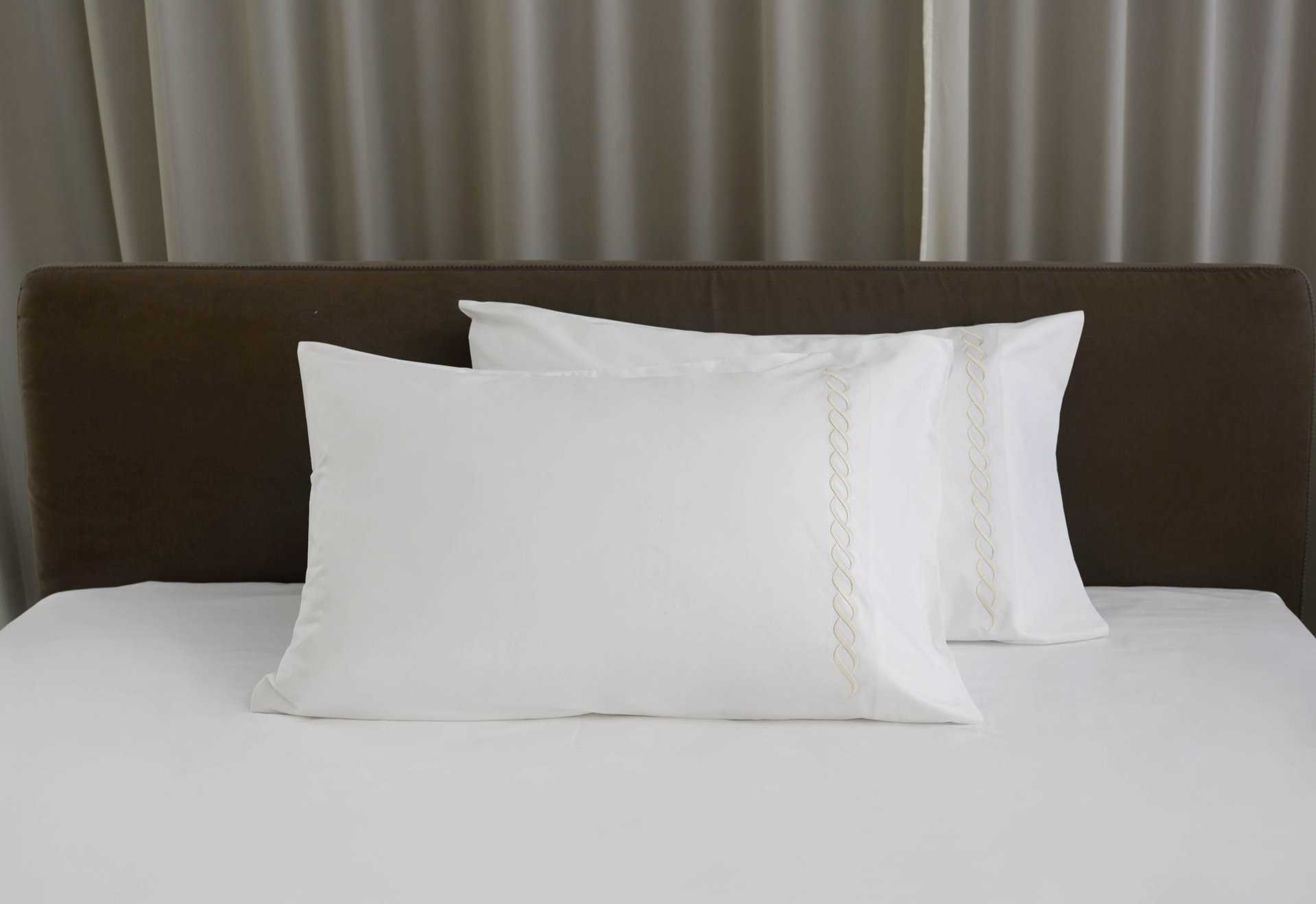
Pillows also behave differently when the head section is raised. Choose a pillow arrangement that supports your preferred position without wedging fabric or accessories into the base. Bedding should enhance the bed’s flexibility, not work against it.
A practical checklist before you choose
Before selecting new linens, take a moment to confirm the details that have the greatest effect on fit and comfort:
- Measure the mattress width, length and depth, then include the height of any topper and protector.
- Check whether the mattress is a single surface or part of a split configuration.
- Compare the measured height with the fitted sheet’s stated pocket depth.
- Look for the elastic construction and consider whether it can hold the mattress edges securely.
- Choose a fabric and weave according to feel, breathability, climate and care preferences.
- Review laundering directions and consider how often you will wash the sheets.
- Test the finished bed in the positions you use most, watching for tension, slipping or loose fabric near moving parts.
These checks are more useful than relying on a single descriptor such as “deep pocket,” “luxury” or “high thread count.” Those terms may offer clues, but exact measurements and construction details provide the information needed to make a confident choice.
The polished bed is the one that works
Adjustable beds bring movement into a place usually styled for stillness. The most successful bedding respects both sides of that equation: a clean, composed surface and the freedom to change position without the sheets becoming a distraction. Fit begins with the real dimensions of the complete mattress setup. Construction helps the sheet stay anchored. Fabric, weave and care shape the experience night after night.
Choose with those priorities in view and elegance becomes less about a perfectly static arrangement than about ease. A fitted sheet that follows the mattress, a cotton weave suited to your preferences and a thoughtful approach to laundering can make an adjustable bed feel every bit as considered as it looks—whether it is flat, gently raised or ready for rest in a new position.